Progresos y desafíos en la implementación de la economía circular en el sector de alojamiento turístico del Distrito Metropolitano de Quito (Ecuador)
Barre latérale de l'article
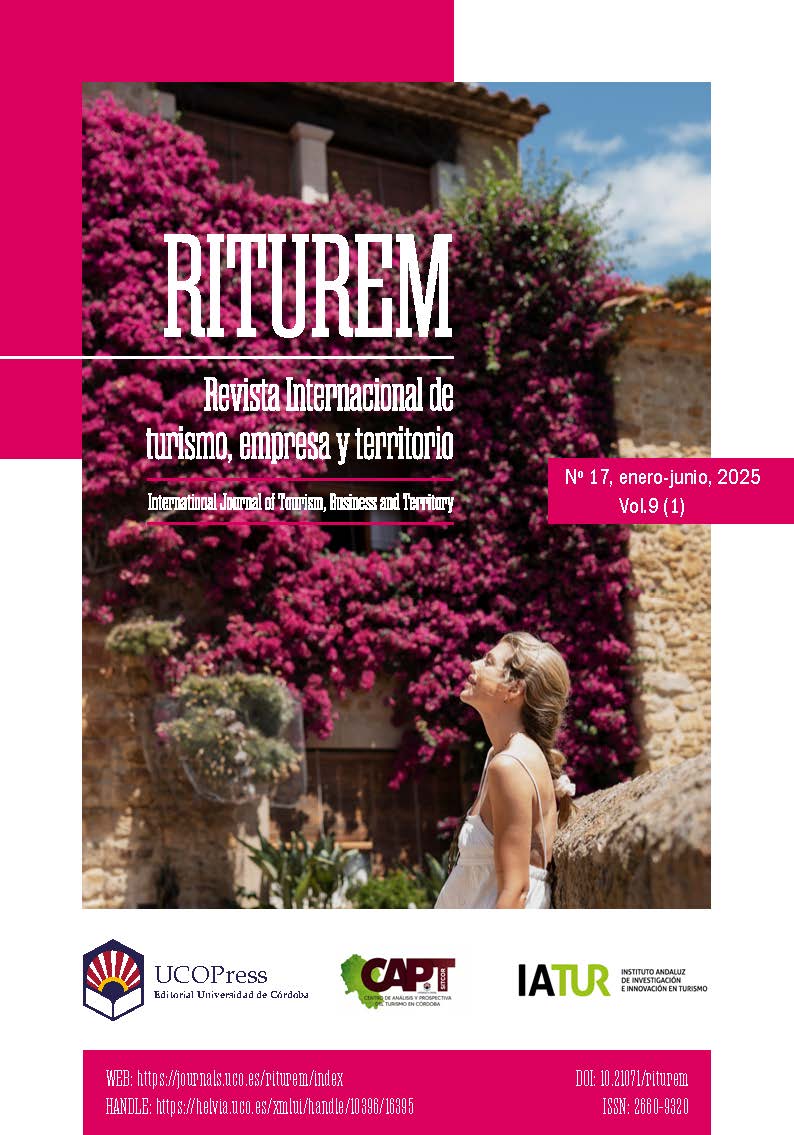
Contenu principal de l'article
Résumé
Este artículo examina los desafíos y progresos en la implementación de la economía circular en el sector de alojamiento en el Distrito Metropolitano de Quito (DMQ). La investigación, de carácter exploratorio, utilizó un enfoque mixto con métodos cuantitativos y cualitativos, y se basó en entrevistas a expertos y encuestas a establecimientos de 4 y 5 estrellas. Los resultados indican que, si bien algunos establecimientos han adoptado prácticas de economía circular, persisten limitaciones significativas, particularmente en la gestión de recursos y residuos. La discusión compara estos hallazgos con la literatura existente, subrayando la necesidad de una mayor sensibilización y políticas que fomenten la transición hacia una economía circular en el sector turístico. Finalmente, se concluye que, aunque se han realizado avances existen también varias barreras que limitan el desarrollo sostenible en el DMQ.
Palabras clave: Economía circular, turismo sostenible, Quito, gestión de residuos, transición ecológica.
Téléchargements
Details de l'article
Avisos de derechos de autor propuestos por Creative Commons
Política propuesta para revistas que ofrecen acceso abierto
Aquellos autores/as que tengan publicaciones con esta revista, aceptan los términos siguientes:
- Los autores/as conservarán sus derechos de autor y garantizarán a la revista el derecho de primera publicación de su obra, el cuál estará simultáneamente sujeto a la licencia Creative Commons CC BY-NC 4.0 (https://creativecommons.org/licenses/by-nc/4.0/deed.es ) , que permite a terceros compartir la obra y permitir obras derivadas siempre que se indique su autor, su primera publicación en esta revista y cuando no se haga uso comercial.
- Los autores/as podrán adoptar otros acuerdos de licencia no exclusiva de distribución de la versión de la obra publicada (p. ej.: depositarla en un archivo telemático o en un repositorio institucional o publicarla en un libro monográfico) siempre que se indique la publicación inicial en esta revista.
- Se permite y recomienda a los autores/as difundir su obra a través de Internet (p. ej.: en archivos telemáticos y repositorios institucionales o en su página web) antes, durante y con posterioridad al proceso de envío, lo cual puede producir intercambios interesantes y aumentar las citas de la obra publicada. (Véase El efecto del acceso abierto).